
How mail clubs really get subscribers: what 42 club runners report, with their numbers
What people who run mail clubs say brought them members, with their own figures: how many followers turned into how many subscribers, how long it took, what stopped working, and what going viral cost.

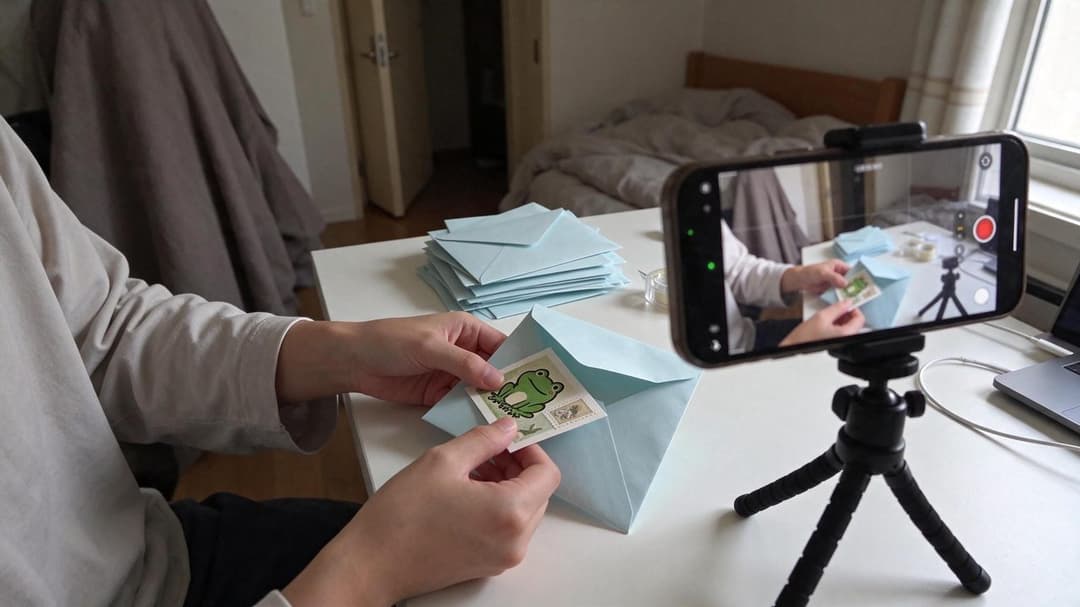
Table of contents
Ask how to get subscribers for a mail club and the usual answer is "keep posting". That is true and useless. So we went through 93 videos and about 20 press pieces in which club runners give their own numbers, and wrote down who said what, with the minute they said it.
Below is what they report: what brought members, how many, how long it took, and what did not work. We added something no video can show: where subscribers come from across the hundreds of clubs hosted on MailClubly. This page has no affiliate links.
What to expect, in numbers
Start with a ratio. Among the creators who state both their followers and their first members, month one sits well under 1% of followers, with one exception at about 2%.
Two things move that ratio more than the size of the following.
Why they follow you. Claudine Castro had 18,600 Instagram followers for mixed content and got 6, then 7 members in her first month. McKenzie Robinson had about 2,500 who follow her for her painting and got 13. A following that came for something else behaves almost like no following.
Where they know you. alivia laura had about as many YouTube subscribers as TikTok followers, and got:
"significantly more sign ups from my YouTube audience versus my TikTok audience"
 alivia lauraCozy Reader Club · YouTube, at 16:00
She had 125 members after four months.
The numbers, club by club
Member figures are the creator's own, from the linked video or from their comments under it. Audience sizes are theirs where they state one; for the four large YouTube channels it is the subscriber count shown on the channel in November 2026. The percentages in the estimator above are our divisions of their numbers.
Clubs that started with an audience
| Club | Audience at the start | Members, and when |
|---|---|---|
| Hannah Gustafson, The Tiny Post | 2,000 to 3,000 TikTok followers | 50 in month one, 107 in month two, 1,200 in month three after one video reached 1.1 million views, over 5,000 in under a year |
| Alessia, Cloudy Club | 16,000 to 20,000 Instagram followers, built on ceramics | About 100 after six months of posting, about 800 a month later, a peak near 1,300, around 620 at 19 months |
| Ciara Gan, Somewhere Society | 261,000 YouTube subscribers | 30 on launch day, about 90 within days |
| omazingpaige, Scaredy Cat Mail | 264,000 YouTube subscribers | About 100 after three mailings |
| Amaya Jade, Pattern Club | 546,000 YouTube subscribers | Over 900 orders a month after almost a year |
| Katie Mai | About 15,000 on YouTube and 30,000 on Instagram | 100 in about six months in 2022, 600 by March 2026 |
| alivia laura, Cozy Reader Club | 7,000 to 8,000 on YouTube, about 7,000 on TikTok | 72 at about two months, 125 at four months |
| amelia is writing, Little Letters | About 6,000 YouTube subscribers | 55 after six months |
| nookends, Looseleaf Letters | Not stated | 78 in three weeks, against a goal of 50 in a year |
| Micashi | A sticker shop | 50 in month one |
| Sunnyside Studios | An Instagram following | Almost 40 after month one |
| Chantal Leonhardt | An art audience | 25 in month one "with very little marketing" |
| inkbymi | A card shop | 8 at launch, 20 in month one |
| McKenzie Robinson, Letters & Landscapes | About 2,500 Instagram followers | 13 in month one, over 20 a month later |
| Claudine Castro | 18,600 Instagram followers, mixed content | 7 in month one, 27 at six months |
| Jaslyn Lim | 1,000 on Instagram and 200 on email, there for crochet and online business | 3, then 6, then 8, then back to 5 |
| Alexandra Franzese | Not stated | 174 in six months |
| JEM AND COZY | A stationery shop | About 320 in its third year |
| Art by Tuna | A Twitch audience | About 300 after five years |
| Selene Ruppelt | Not stated | About 350 a little over a year in |
| Paper Terrace | 104,000 YouTube subscribers | More than 200 after nine years, capped by choice |
| heliaboke | An art account restarted after three years | More than 2,200 in four to five months |
Clubs that started small or from nothing
| Club | Audience at the start | Members, and when |
|---|---|---|
| Greta's Studio, Greta's Post | A beginner | 6 at the first mailing, then 16, 32, 47, 46, 58 |
| Mystic Maples Art | Not stated | 7 in the first days, 47 at month three |
| The Soulmates Post | New accounts, 117 posts in one week | 31 at week six |
| Tuesday Enthusiast | One to three reels a day for months | 27 |
| Wensell | Says she does not have a large following yet | 15 in month one |
| Calma Felicita Art | Some followers from before | 10 at 45 days |
| Maggie Bean | Not stated | 8 after a little over a month |
| Lolalittleletters | None | 3 in month two, paying for itself at about 11 months |
| Kyla Higgins, Letters from Afar | None, posting every day | 2 at about two months |
| Pho's Creations | 42 YouTube subscribers | 1, a friend |
| Kit Kat Kanvas | Not stated | 1 for about four months, 100 after two years |
| Single Sploot | Sells at markets and conventions | Never more than 10 in two and a half years |
| Sammie Sue Who | "I still don't have a huge following" | 4 paying members |
The large clubs in the press
These figures come from press articles and one interview. Most do not give the size of the audience at the start.
| Club | Members, and when | Reported by |
|---|---|---|
| Christine Tyler Hill, The Cloud Report | About 1,000 within days of one TikTok, about 3,000 by August 2026 | Yahoo, relaying The Wall Street Journal; The Boston Globe |
| Trinity Shiroma, The Architecture Club | 1,300 by December, more than 2,700 by May 2026 | IBTimes UK, relaying CNBC |
| Jaylan Birdsong, Perch Post | 25 at the start, 1,600 a year later | Dazed |
| Brenna Lanning, Starpokes | 1,113 at month seven | Creative Lives in Progress |
| Ivana Quesada, Las Comadres Mail Club | Over 400 within a month of the first Instagram post | Latino Reporter |
| The Flower Letters, a company | 33 at launch in 2020, "a few thousand" five months later on paid ads | Nikonomics |
| Madalin Giorgetta, Raindrops on Roses | About 150, from about 1 million Instagram followers on a former fitness account | Business Insider Japan |
Four of these clubs, as they present themselves in our directory:
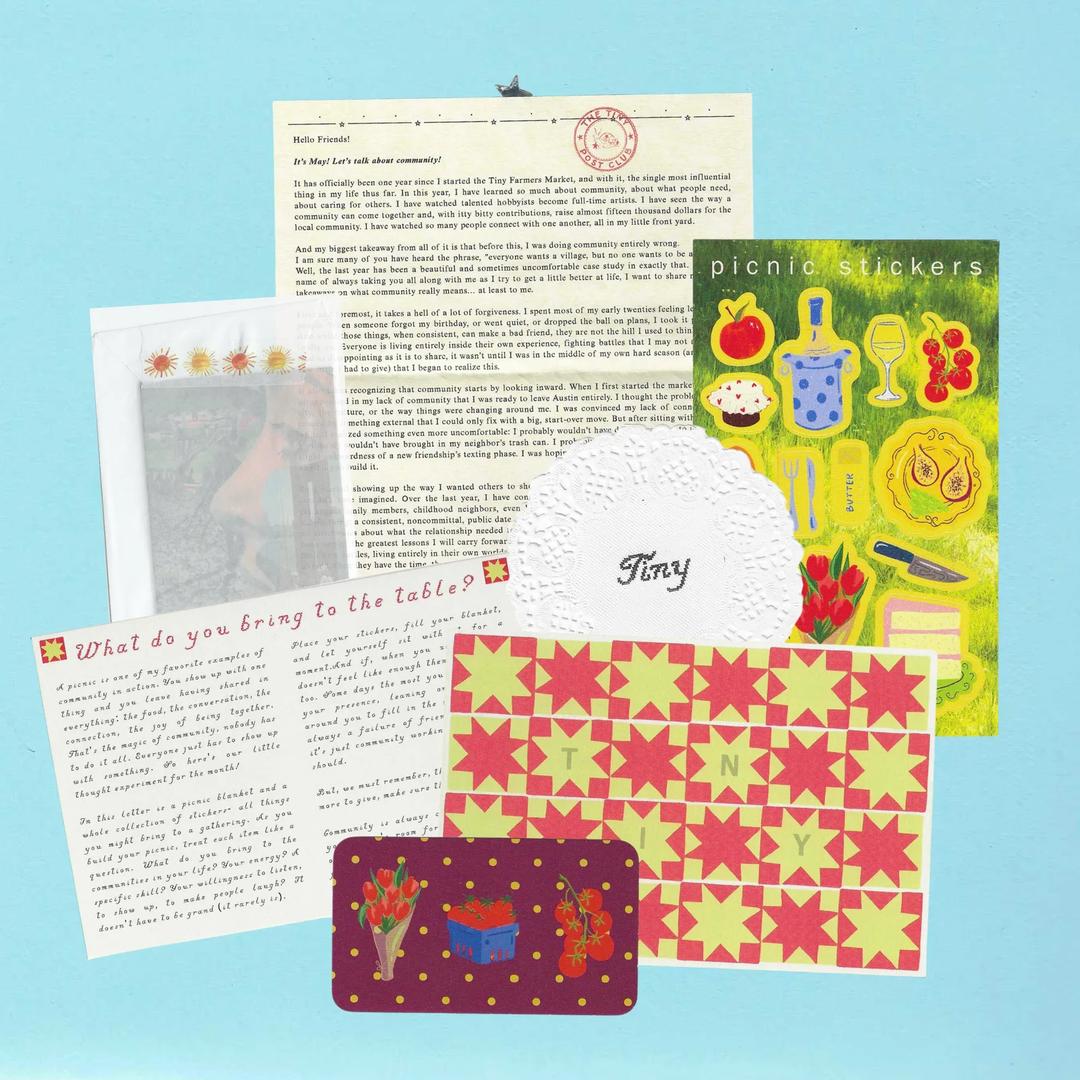

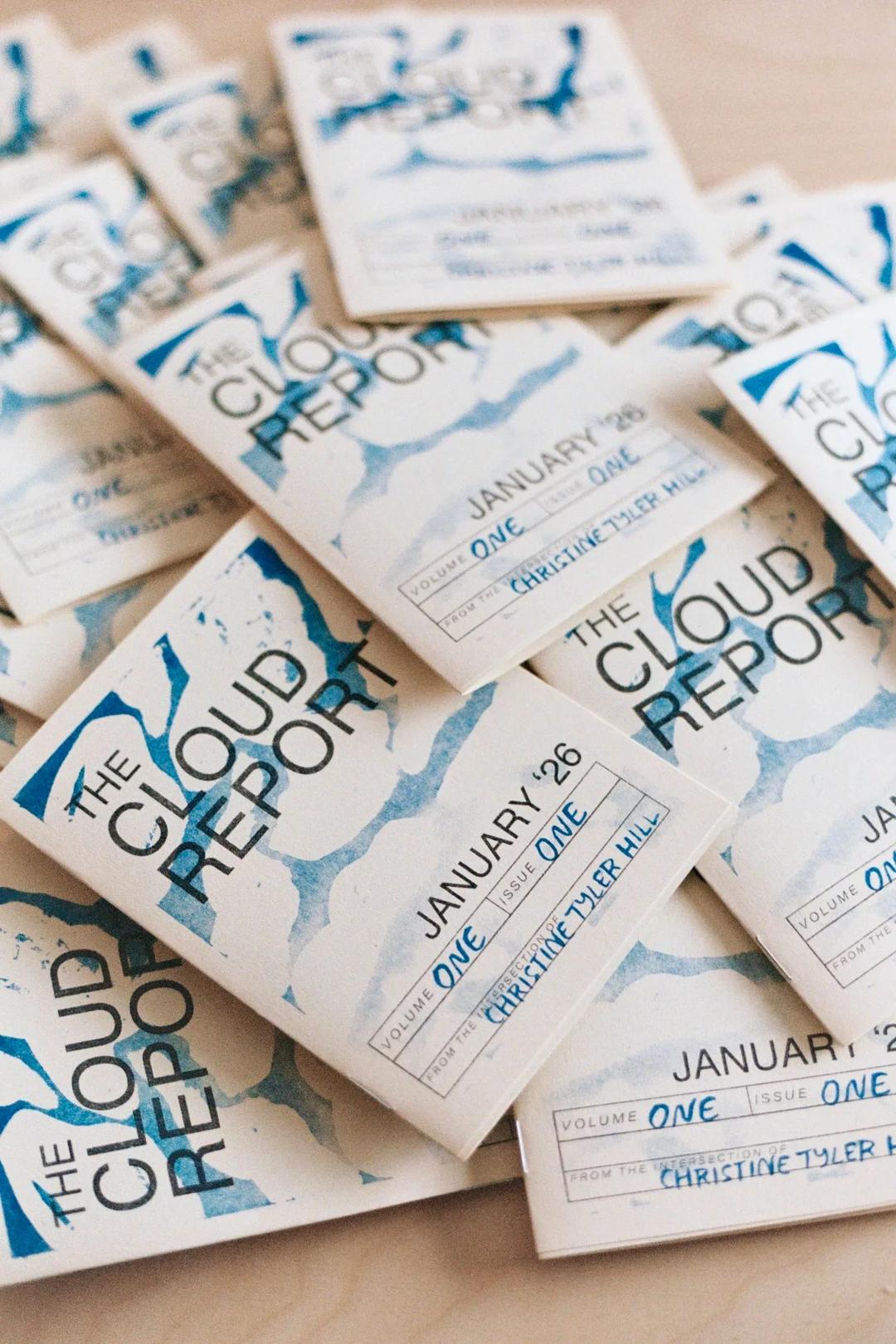
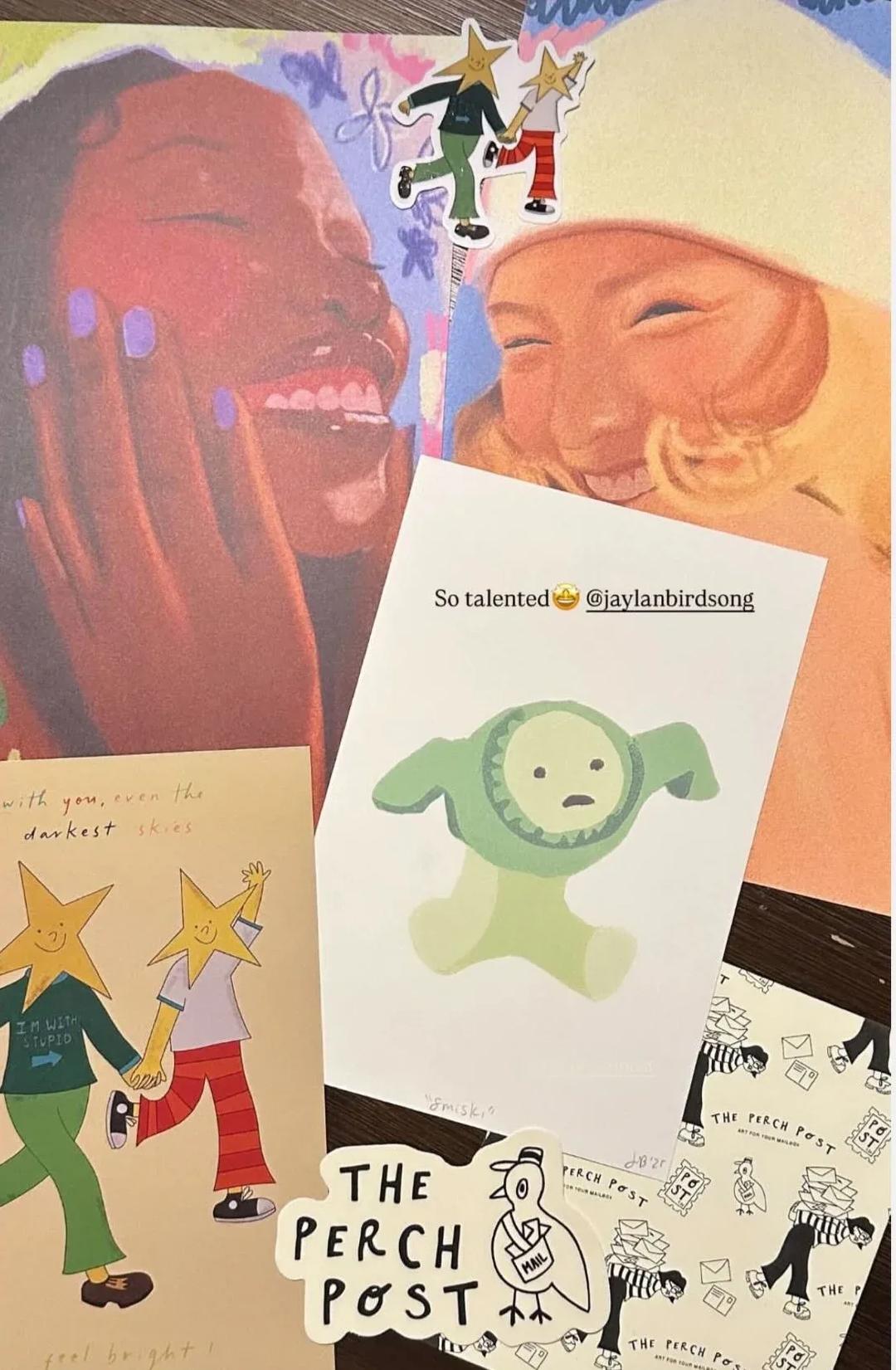
One pattern runs through the three tables. The clubs in the hundreds had an audience that wanted exactly this, kept going for years, or had one video travel far.
Chantal Leonhardt says the same from the inside: the creators with big clubs have "been doing it for years and they are very consistent", or "they've gone viral" (at 3:20).
Where subscribers come from, on our own platform
No creator in those 93 videos reports sign-ups by channel. MailClubly is one of the largest hosts of mail clubs, with hundreds of them, so we can. The table covers the visitors to club pages over three months, to mid-November 2026: where the visitor came from, and the share who went on to subscribe.
| Where the visitor came from | Share of visitors | Share who subscribed |
|---|---|---|
| Link-in-bio tools (Linktree, Beacons and similar) | about 2% | 8.1% |
| Email and newsletters | about 2% | 7.5% |
| Other websites | about 6% | 6.4% |
| YouTube | about 2% | 6.3% |
| about 27% | 4.8% | |
| ChatGPT | about 1% | 4.1% |
| Direct or unknown | about 36% | 4.0% |
| Search engines | about 9% | 3.0% |
| Facebook, including paid ads run by some clubs | about 17% | 1.9% |
| TikTok, where it could be identified | about 3% | 0.6% |
A visitor can appear under two sources, so the shares add up to a little more than 100%. "Direct or unknown" includes most in-app browsers, which hide where the click came from. So do not read the TikTok row as "TikTok does not work": most TikTok visits are probably counted in the direct row.
Three things in this table are worth acting on.
- Instagram is the biggest source we can name. More than a quarter of all visitors, and about one in twenty subscribed.
- The warmest clicks convert best. Link-in-bio pages and newsletters convert at 8.1% and 7.5%, against 4.8% for Instagram as a whole. Put the club first on your link page, and mention it in every email you already send.
- A directory brings people you never reached. About one subscription in seven came from people who had browsed our club directory. No creator in the videos names a directory as a source, so it is easy to overlook.
How far clubs get, and when
Of the clubs that get a first sign-up, about a quarter reach 10 sign-ups, one in ten reach 25, one in 25 reach 50 and one in 50 reach 100.
The clubs that reach 10 get there about two weeks after their first sign-up. In clubs with 20 or more sign-ups, about a quarter of the first three months' sign-ups arrive in the first week.
Most clubs stay small, and the ones that grow do most of it in a burst at launch, from people who were already waiting. The weeks before you open matter more than the weeks after.
What to post
Start with the one that has the strongest numbers behind it.
Film the packing, plainly
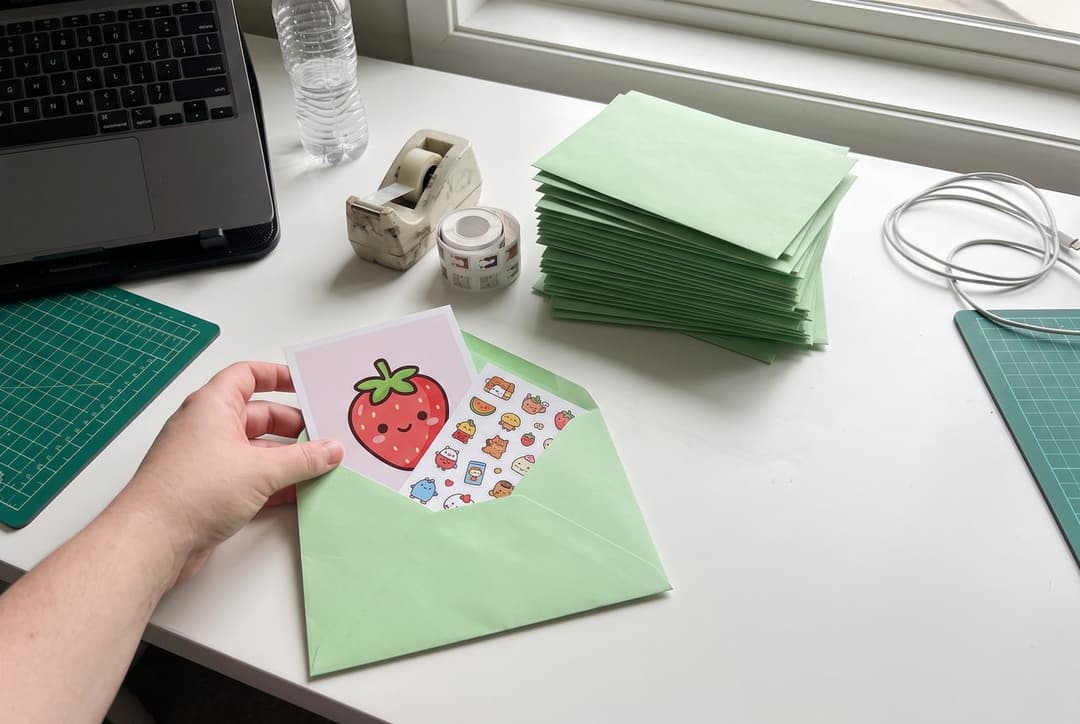
Alessia posted about her club for six months, at least two videos a week, before anything took off. Then this did:
"videos of me literally just like packing the letters up have been the ones that have performed the best"
Several of those videos came close to a million views, and the club went from about 100 members to about 800 in a month.
Alexandra Franzese, at 174 members in six months, does the same thing live: "I actually get quite a few sign-ups every time I go live and package my mail" (at 11:40).
McKenzie Robinson, with 13 members in her first month, recommends it for another reason: "Just film yourself packing up orders. It's the easiest video to make, honestly" (at 8:05).
Tell your story, and keep the envelope a secret if you like
Hannah Gustafson grew The Tiny Post from 50 members to over 5,000 in under a year and barely shows what is inside:
"I keep most things a secret and I just tell my story."
The video that changed everything for her was a clip of her telling her husband she was going to start "something called a snail mail club", followed by three months of what happened next (at 7:20). Her second big one showed a mistake: "I had spilt red wine on like 200 letters ... I got so many sign-ups from that video and I wasn't even talking about what was in it" (at 15:20).
Or show next month's envelope, with a date
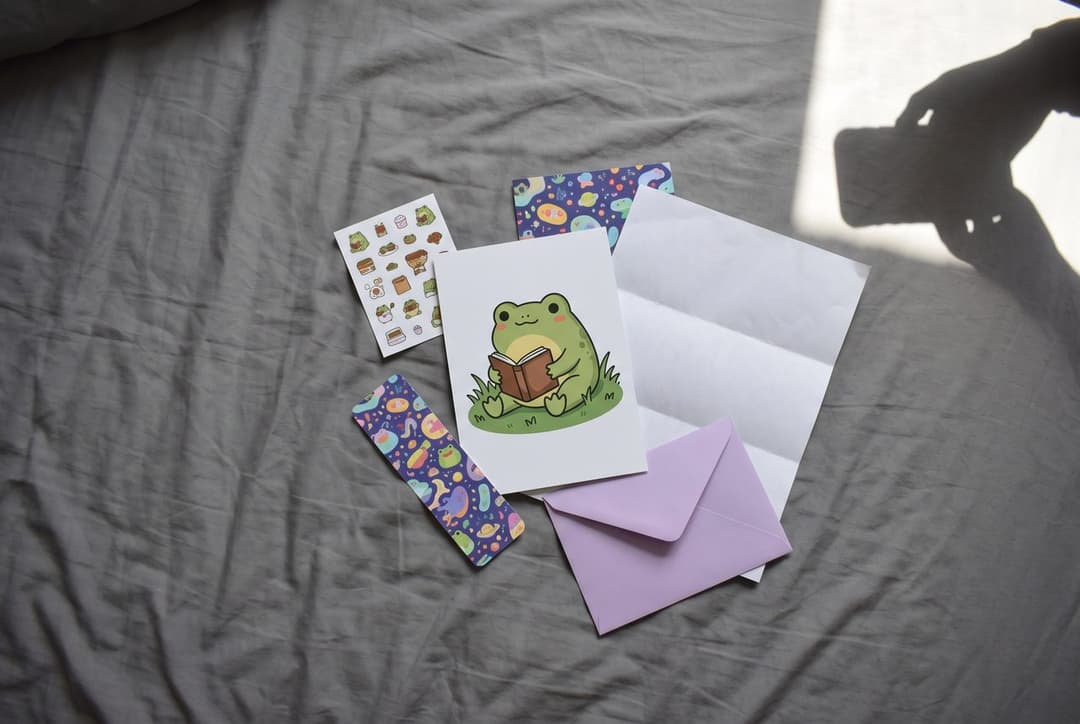
Eight creators do the opposite. omazingpaige posts next month's contents on the first of the month, with the day to join by: "it's been working pretty well so far" (at 1:00), at about 100 members after three mailings.
Sophia Mitropoulos builds a carousel with one flat lay and then one image per item, and warns against hiding the month's story inside the letter: "if you're gatekeeping all of that behind the letter ... it's hard to convince somebody to join" (at 5:20).
Secret or shown, both camps put a person and a reason in the post. Neither posts a product photo with "link in bio".
Document the build, and announce the date
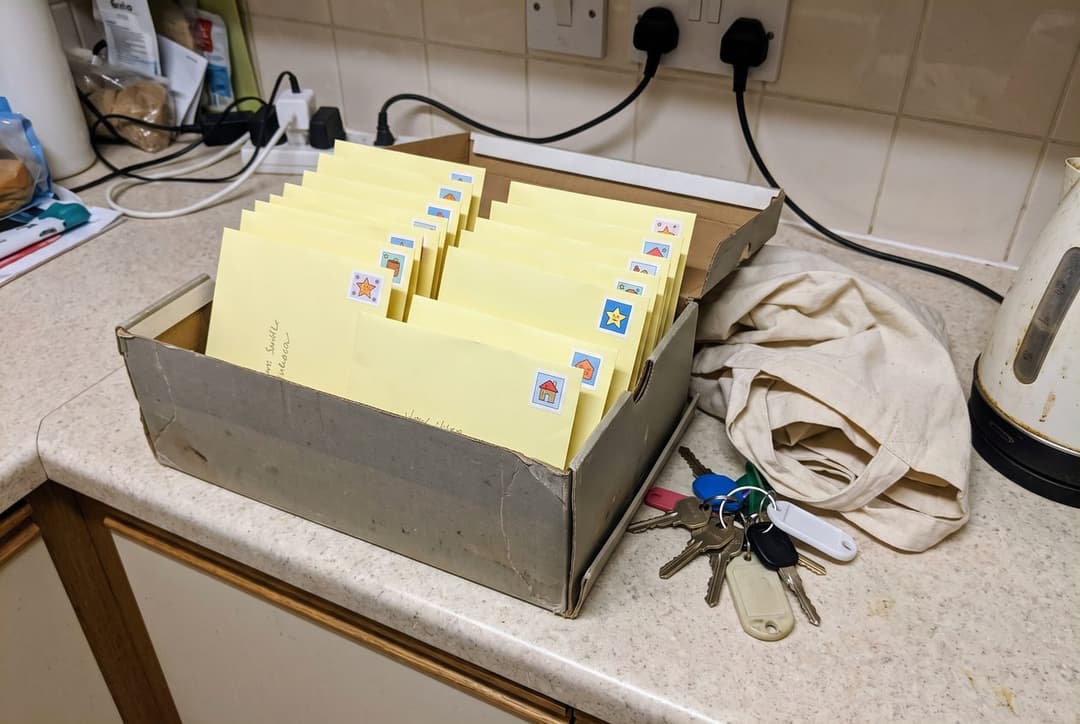
Sunnyside Studios posted "day one of starting my mail club, day two of starting my mail club" and announced the launch two weeks ahead (at 11:20). The club had almost 40 members after month one.
So much of a club's growth comes in its first week that this is the cheapest thing on the list: the audience for launch day is built before launch day.
Keep posting, because sign-ups follow it
Mystic Maples Art ran the nearest thing to an experiment: she stopped making reels for a while, then started again.
"when I stopped making the social media reels and carousels ... It pretty much plateaued"
When she resumed she went "from like 35 to 47 in the last month", and adds: "I did have to do some social media to make that happen."
Art by Tuna, five years in with about 300 patrons in 2022, reports the same: "there is absolutely correlation between my advertising and my intake of new patrons" (at 17:00). Tiramaesu counts one or two sign-ups each time she posts about her sticker club (at 10:20).
One post is rarely enough. Wensell: "people don't ... subscribe after seeing something once. They subscribe after seeing your work consistently" (at 5:20).
The offer
- A founding price for the first members. Eleven creators use some form of it. alivia laura is the only one who ties it to a number: "the first 45 people to sign up will get it for $10 a month ... then after that I'm raising it to $11. That was kind of a good incentive" (at 18:20). It also solves a later problem: she raises the price for new members and leaves early members where they are.
- Get the price right before you grow. A price rise costs members. Fiorenza Art went from $8 to $9: "I lost so many members when I did this and I'm still actually trying to recover" (at 10:00). The sums are in Do mail clubs make money?
- A giveaway shown to strangers, then a message to everyone who entered. McKenzie Robinson posted a giveaway of an annual subscription on Instagram trial reels, which go to people who do not follow you, then "messaged all those people that entered the giveaway and gave them a little discount on their first month. And I got some subscribers from that" (at 9:55).
- The first envelope, free, to people who might show it or join. Claudine Castro sent hers to her personal-training clients, and two of them joined (at 17:00). mochibujo, who has 59,000 YouTube subscribers, was sent a first envelope by a small club, opened it for her audience and "signed up to her mail club" (at 6:20).
- If you close sign-ups, put the price on the waitlist. Hannah Gustafson closed at 1,200 and opened a waitlist that passed 3,000 names. Fewer than 1,000 paid: "I didn't say that it cost money" (at 16:00).
Where to put your effort
- Start where people already know you. McKenzie Robinson launched to Instagram because "that's my biggest following".
- Consider an account only for the club. Chantal Leonhardt opened a new Instagram page for hers because her main page did not carry short club videos to the right people, and got 25 sign-ups in month one (at 6:20). McKenzie Robinson did the same on TikTok, so that people "are not confused about other things I'm doing".
- Email, if you have a list that fits. Jaslyn Lim's 200 email subscribers, there for another subject, did little. In our own table a newsletter click is among the most likely to subscribe, so use a list you have. Building one from scratch only to launch is not worth it.
- Paid ads: nobody small reports using them. Alessia: "I use organic social media posts only. I've never run a single ad" (at 10:20). The one account of ads working is The Flower Letters, a company that paid around $30 to win each customer in 2020 and says the cost has risen every year since (at 12:40). At $10 a month, that is three months of a member's payments before fees, postage and printing.
- In person. Five creators mention flyers, markets or telling people, and none gives a number. The Soulmates Post found that "in real life, so many people have no idea what a snail mail club is" (at 2:20).
What does not work
- Not promoting. This is the failure creators name most. Lolalittleletters: "The biggest mistake actually was not thinking about marketing at all" (at 22:20). humerakilife kept the club off her main account: "that was not a smart idea" (at 10:20).
- Launching to people who followed you for something else. Jaslyn Lim: "the majority of my audience is interested in how to make passive income and building an online business. And those are not my target audience for my mail club" (at 1:40). The most extreme case in the press is a former fitness account with about a million followers and about 150 members.
- The bare announcement. Lolalittleletters says a video saying "I have a mail club" used to bring members, and now "it doesn't do anything anymore" (at 23:20).
- Copying another club's videos, or fishing in its comments. Sophia Mitropoulos sees new clubs "making the exact same videos", and deletes comments that post flat lays under her videos to pick up her subscribers (at 2:40).
- Volume without fit. The Soulmates Post made 117 posts in one week. It brought 606 followers, mostly from videos that "didn't have anything to do with snailmail", about one sale a day for five days, and burnout (at 1:00).
- Too many tiers. Sammie Sue Who makes a print every month for a print tier with nobody in it (at 1:40). Maggie Bean cut two tiers to one.
- Counting friends and family as demand. From the founder of The Flower Letters: "don't tell your mom because she'll buy a hundred of them ... and then you won't actually know what demand is" (at 4:20). The same goes for other club runners, who often subscribe to each other. McKenzie Robinson worries about that: "what if all the artists are just subscribing to each other's mail clubs".
If one video travels: what going viral costs
Christine Tyler Hill, whose zine club reached about 3,000 subscribers, is blunt about how:
"The only reason mine grew so fast is that I went viral, which is like winning the lottery."
The people who won it describe what came next.
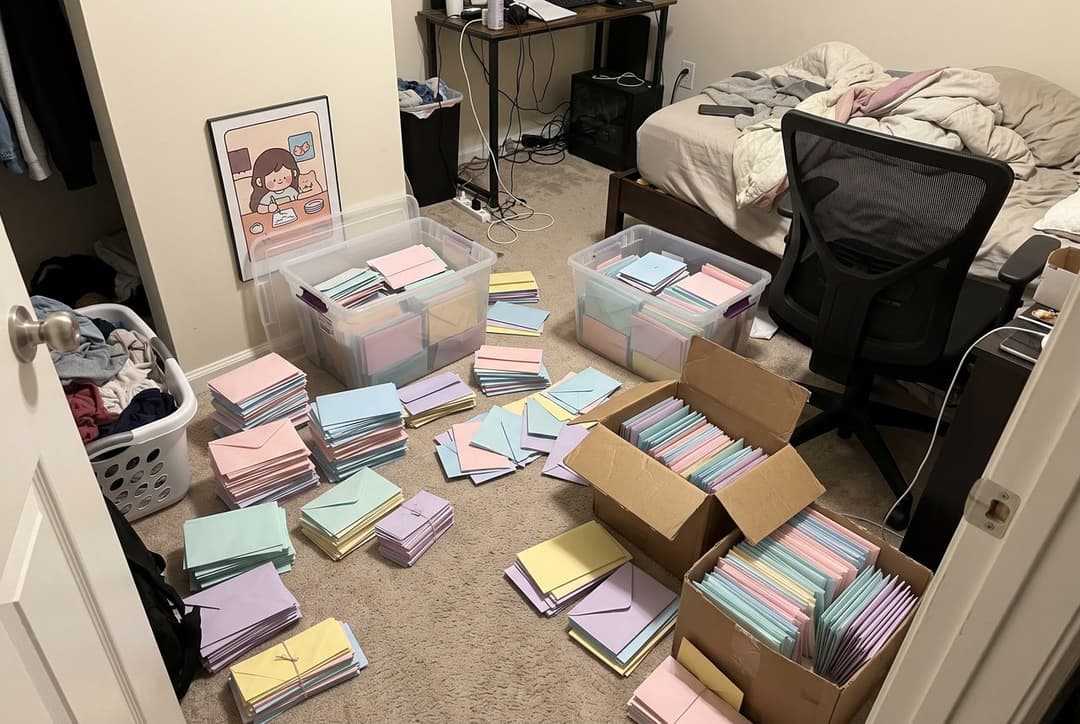
People who joined on one clip and wanted that clip. bre ran a zine club for four years, had one video travel, and then:
"when they weren't getting exactly what they wanted, I would get a lot of angry emails"
Some asked for refunds because they thought she "was a scam page". She capped the mailed tier at 200 and later closed the club.
A product without the relationship. Martina Calvi closed her club at over 1,000 members and wrote about it: people "joined without knowledge of me, my story, the care I put into everything. They bought a product, a service- not the community that came with it" (her Substack).
The way down. Alessia's club peaked near 1,300 and stood at about 620 when she filmed in October 2026, 19 months in. Her printers sell in runs of 500 or 1,000, so with about 620 members she still orders 1,000 of everything and pays for prints she does not send: "I'm actually losing quite a bit of money on material costs currently" (at 16:40).
A promise filmed at 50 members and owed at 5,000. Hannah Gustafson warns about what you show before you grow: wax seals and handwritten letters in a video set "an expectation with your audience that that's what they're going to get every single month", and "if you can't do it right now for 1,000 people, it's probably something that's not sustainable for you" (at 10:35).
So film the club you can keep running, and say the price and what is in the envelope before somebody pays.
Is it too late?
Almost every creator who has addressed it since late 2025 says the field is crowded. Chantal Leonhardt has "seen hundreds of different mail clubs over the past few months opening up" (at 4:00). McKenzie Robinson: "It is more saturated now than it was last year" (at 1:00).
What is crowded is one particular club: a cute print, a sticker and a letter, sold to people who keep journals, at $8 to $11.
The clubs in the tables above that grew in 2026 without a viral video mostly serve a group that existed before the club did: readers (125 members in four months), writers (55), stained-glass makers (900 orders a month), fans of one artist's subject.
Fiorenza Art, who has seen her own club copied down to the art, takes the crowd as an opening: "being saturated, not a bad thing. I think it gives you an opportunity to really stand out" (at 12:50).
So the useful question is not "is there room for another mail club" but "who already cares about the thing I would send".
Keeping members is half of growth
Members leave every month and creators treat it as normal. Only two give a figure.
Hannah Gustafson plans for 10% and sees "probably closer to like maybe 5%" (at 16:40), without saying outright that this is per month. Art by Tuna expects about 30 of 300 patrons to drop each month and wins them back by promoting through the month (at 17:20).
The buyer's side explains it. mochibujo, who paid for ten clubs at once: "I can't continue paying for all of these every month ... you can sign up for a few months and you can cancel it. You can come back, you can take breaks" (at 40:40).
What creators who kept their clubs going say they do:
- A fixed mailing date, kept. amelia sends "everybody's envelope on the exact same day every single month" (at 9:40). humerakilife's rule: promise the end of the month and mail early, because people "love receiving stuff early. They don't like receiving it late" (at 8:40).
- Something to complete. Senorita_Gabita puts a loyalty card in the envelope: six months in a row earns a gift, twelve a bigger one (at 6:40). mochibujo, opening another club's envelope with a membership card and a sticker for each month, shows the effect on a buyer: "because I'm a collector, of course, I have to be a member for the full year" (at 5:50).
- A month that does not feel lazy. Fiorenza Art: "if you get lazy a month, they can tell and you might see a drop in your members" (at 2:20).
- Lost mail replaced without an argument. Claudine Castro counts a lost letter "around less than 3% of the time" (at 7:40). The stamped letter has no tracking, so this is a cost to plan for. See how many stamps a club envelope needs.
Where MailClubly fits
Nothing above depends on the tool, and most of the creators on this page use other platforms. A platform can take the admin off your hands, so your hours go to the two things only you can do: making the mail and showing people it exists.
McKenzie Robinson, quoted above, runs her club on MailClubly and says so in her video, which we did not sponsor. Setting it up "took me literally 10 minutes, maybe". She also names a limit: "You won't have the option of posting past prints and stuff for people to order, so it's definitely limited on the creative freedom you can have with your club" (at 7:10). That was true when she filmed in September 2026. Since October 30, 2026, a club's page has a shop for past mailings and other products.
Questions readers ask
How many subscribers will I get in the first month?
About 0.5% of your followers if they are there for this kind of work, and far less if they came for something else. With no audience, creators report 1 to 15 in the first two or three months.
How do I get subscribers with no followers?
Slowly, and by posting anyway. Greta's Studio started as a beginner and went 6, 16, 32, 47, 46, 58 over five months. Kit Kat Kanvas had one subscriber for four months and reached 100 after two years. Three things need no following: telling people you know in person, a directory listing, and a first envelope sent free to someone with an audience.
How long does it take to reach 100 members?
About 90 within days for a YouTube channel with 261,000 subscribers. Two to four months for creators with a few thousand followers who fit the club. About six months for several clubs without a viral video. Two years for one that started from a single subscriber. On our platform, about one club in 50 that gets a first sign-up reaches 100.

Article by
Alex Carlier
I build MailClubly, the platform indie artists use to run their snail mail clubs. Before this I spent years watching creators stitch subscriptions together from Etsy, Patreon, spreadsheets, and blind luck. MailClubly exists so they don't have to.
Ready to start your own mail club?
MailClubly handles payments, postage and your shipping schedule. Free to start, live in about ten minutes.
Related Articles
The best printer for stickers, art prints and cards when you sell by mail (2026), and the rest of the kit
Four printers for four situations, what each costs to run at 30 and at 500 prints a month, and what to skip, built on independent tests and on what mail club runners say they print on.
November 14, 2026
Do mail clubs make money in 2026? Real prices, costs and profit per envelope
A $10 envelope leaves about $7 after the stamp, the contents and the fees. Whether that is worth your month depends on how many members you have and how many hours they take. Creators' own figures, each platform's fees, and a calculator.
November 14, 2026
How many stamps does a mail club envelope need? USPS rates since July 12, 2026, with a calculator
One Forever stamp covers most club envelopes, until a backing board, a square envelope or a wax seal changes the class. Current USPS prices, the exact stamps for each case, and a calculator that starts from what is in your envelope.
November 14, 2026
How to start a snail mail club in 2026 (real numbers, no fluff)
A working playbook for artists who want to ship real mail to paying subscribers. Pricing, packaging, platforms, and a 30-day launch plan based on what actually works in 2026.
November 14, 2026
Sticker Mule alternatives and where to print for a mail club: prices compared (2026)
What printers charge for the five things mail clubs send, read from their own price calculators on November 13, 2026, with the cost per member and the cases where your own printer still wins.
November 14, 2026